Updated Surplus Numbers

Updated Surplus Numbers
Updated Surplus Numbers: Actual surplus 2018 per audit was $85,163.
Boards 2011-2018 implemented policies and procedures with specific goals:
stabilize owner fees, achieve maintenance objectives and achieve annual budget surpluses.
Any surplus was retained by the association.
The board elected in fall 2018 decided to increase owner fees, even in view of a large potential surplus

Average fees prior to 2019

Average fees prior to 2019
Average fees per owner prior to 2019:
RED indicates the consequences had boards continued the fee policies prior to 2010,
BLUE indicates actual fees. These moderated when better policies and financial controls were put in place by boards

Better budgeting could have resulted in lower fees

Better budgeting could have resulted in lower fees
Better budgeting could have resulted in lower fees:
RED line = actual fees enacted by boards,
BLUE line = alternate, fees, ultimately lower with same association income lower had
boards used better financial controls and focused on long term fee stability
Showing posts with label Tree Problems. Show all posts

Sunday, October 27, 2019

Fireblight is destroying our flowering ornamental trees

0 comments

Fireblight infected tree

Bookmark and Share


Fire blight is a serious tree disease. It is caused by the bacterium Erwinia amylovora. The disease can attack some 75 species of plants of the rose family.

It has attacked our aging ornamental fruit trees. These trees are 40 years old, and most ornamentals have a lifespan of 25 to 35 years. So our ornamentals are old and more susceptible to disease. Infected, dead and dying trees are being removed. Our board has not revealed how many are being removed.  The board didn't mention this during the annual meeting. Nothing at all in the quarterly newsletters, which were six times a year until I left the board.  "Nothing ever to report at BLMH" I guess.....

This year the disease has been noticeable as entire branches on trees have died, leaving misshapen, ugly trees.

The bacteria overwinters in infected bark and is spread by splashing rain, dew, wind and insects. It spreads rapidly in moist, warm weather, especially during bloom. If infected trees are not removed, the disease will continue to spread.

While treatment is possible with healthy trees, it must be done aggressively and continuously. Treatment can be labor intensive on a large property such as ours and can therefore be expensive.

Fire Blight or fireblight disease is named for the scorched appearance of infected leaves. It is a destructive bacterial disease which is found on apples, pears and other members of the rose family. The disease enters the tree at the tips of the branches and then travels down the stems causing dieback. It attacks soft new growth first, so the dieback can be noticed at the top of the plant. Most infected leaves and branch tips wilt rapidly turn brown or black; the leaves die but do not drop off. Trees will also develop reddish water soaked lesions on the bark. On warm days, these lesions ooze an orange-brown liquid. Fire blight kills blossoms, shoots, limbs and entire trees.

This is what one of these flowering ornamentals looked like in Spring: 

Healthy ornamental tree blooming in the Spring


A few more dead and dying ornamental trees which will be removed:
Fireblight infected tree


Fireblight infected tree


Copyright (c) 2019 Norman Retzke "All Rights Reserved"

Original material:  http://briarcliffelakes.blogspot.com/


Thursday, April 11, 2013

Pine #137, R.I.P.!

0 comments
Bookmark and Share
Sad to say, one of our pine trees met an untimely end. Here on the board, we've been concerned about the possible outcome of stress on our trees as a consequence of last year's drought.

This year, we had total snowfall in the normal range, and we've had some good rains. According to the U.S. Drought Monitor, there is no drought in Illinois! I've included a map of the current drought monitor at the end of this post.

We did lose a tree. While the watch goose looked on.


I noticed this yesterday and notified management with a photograph via email.


Today, this is all that remains. RIP pine #137. You will be missed, by some. But it's Spring and soon our more active residents will turn toward more important matters, such as "We want a garage sale" and "We want a picnic."


Current Drought Monitor


Monday, July 2, 2012

Severe Storm and Some Tree Damage

0 comments
Yesterday, a severe storm blew through the area at about 11:30AM.

Returning from religious services, my spouse and I spotted a tree down and I immediately notified management. In fact, several board members contacted management and looked over the association grounds for damage. After the storm had blown out, a few residents were walking the grounds and I met one owner behind Harrow Court en route to Thames.

Here's several photos taken commencing 12:12PM on July 1. A list of locations with damaged trees of note, and several photos were sent to management, the president of the board and to the landscaping director.

Our association has a regular program of tree trimming. It isn't perfect, but it catches most of the problems and limits the damage. Last year, a number of willows on the property were removed. This was a preventative measure.

Not all of our owners agree with this expenditure of fees for prevention.. However, the alternatives are unpleasant or worse. Today we'll have a heat index of about 100F and a lot of people in the area are without power. That includes parts of Wheaton, Winfield, Glen Ellyn and Lombard. As of noon today, ComEd reported 11,637 customers affected in Glen Ellyn! I've attached a link to ComEd's outage map at the end of this post. .

I drove through the village via Main Street at about 8:00am en route to the office and found it blocked north of downtown. Then I had fun taking the circuitous route to get to North Avenue, which had lights out. 

Click on Photos to Enlarge:


Note:
  1. I spoke briefly with our landscaping director and we discussed the decision to remove willows on Gloucester. I told him that was a good call in 2011.
  2. Some of our owners, the ones who like to complain and make statements such as ":they can't tell us what to do" won't be telling management or the board they did a good job. They'll probably be recruiting a new band of renown for our forthcoming popularity contest. That contest also goes under the name "election." Perhaps it's again time for some change.

Here's a link to ComEd's outage map:
Clicking will open a window toNew Window> ComEd's Outage Map


Saturday, February 20, 2010

It's That Time for Winter Care of Our Trees

0 comments
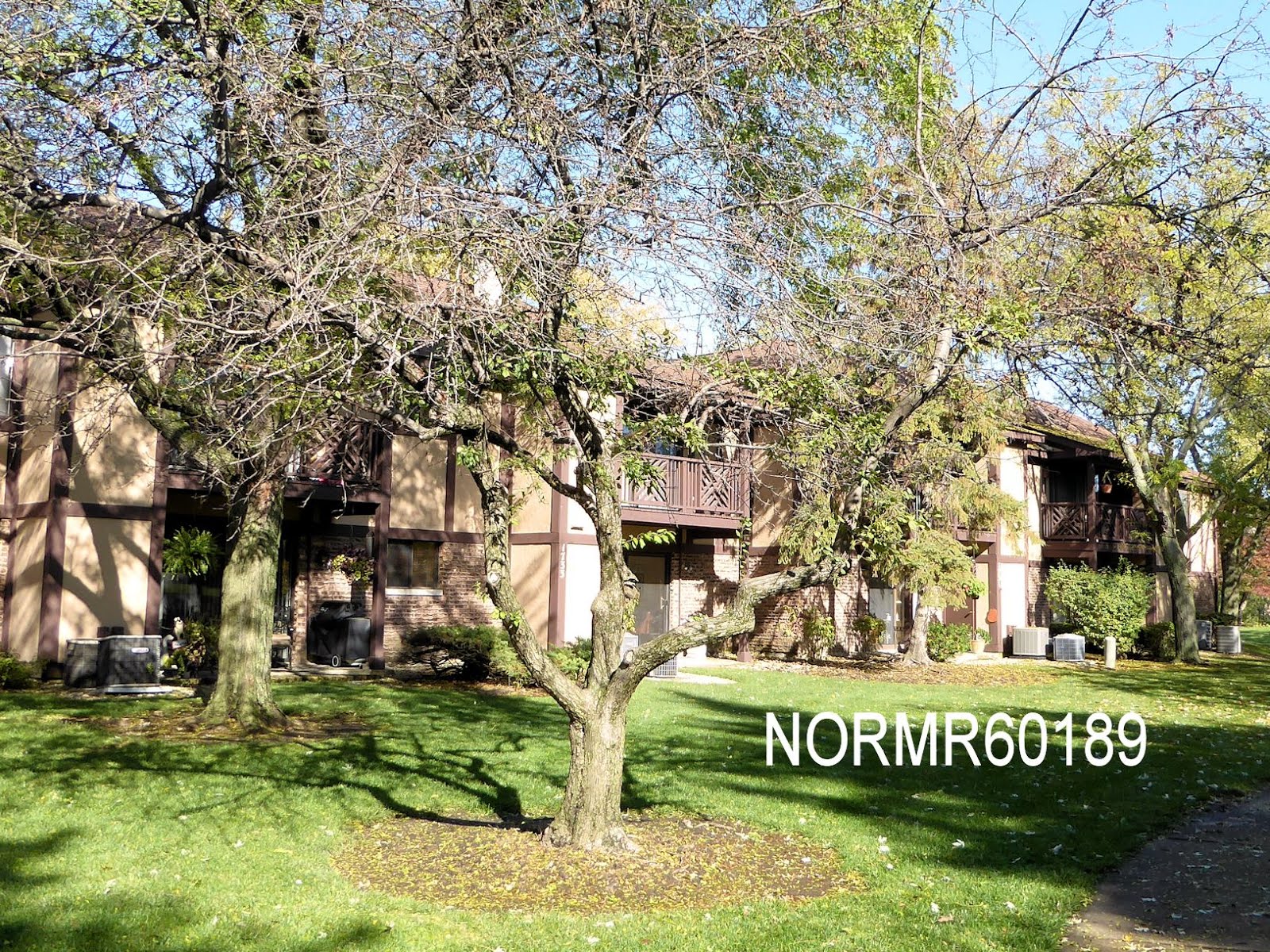
This is a tree situated near my unit. Looks typical. Can you spot a problem with this tree? (Hint: click on the photo to enlarge).


The problem is what arborists call "Water Sprouts". This tree has many of them. A "water sprout" is a vertical growing shoot, which steals energy from the tree. Trees should be trimmed so their energy is directed to growing a canopy. This tree appears to have been neglected and has many water sprouts. I know, I have been watching it. Some of the sprouts are now 5 feet in length and over one inch in diameter at their base. In the following photos, there are yellow arrowheads to point to some of the water sprouts.

If we want these assets to thrive and live a full life, they must be properly cared for. Otherwise, they will be stressed, will become diseased and will die. We then get to spend our fees on replacing them. So, how do you want your fees spent, and how do you feel about our trees? Let the board and our managers know.

Before I get some negative comments, let me also say that I brought my concerns to the board during "homeowner" sessions of the association meetings. I asked general questions about caring for our trees and doing things to extend their lives, and I expressed my concerns. This year, I suggested that the board consider spraying fruit bearing trees to diminish their fruit, in lieu of chopping them down, as some unit owners have requested. I also pointed out the "water sprout" problem. These sprouts should be trimmed each year, as part of the winter care of our trees. However, that is not occurring regularly. I have suggested to the board that they consider hiring an independent arborist to inspect our trees and give an opinion. We are a very short distance from the Morton Arboretum. It should be relatively easy and simple to do this.

I suggest that, after reviewing these photos, that you take a few minutes when walking our grounds and look for water sprouts.

It's all a choice. We have trees, over 800 of them and the shade and wildlife they bring. So shouldn't we care for them?

Here are a few photos of several trees, with the water sprouts flagged. Some of the sprouts are are new growth, from 2009. Others are obviously several years old.


Here's another view


Even more water sprouts!


=============
Comment:
All Photos on this site are copyrighted and are watermarked. They may be copied only with permission.